


 Abstract Barrios: The Crises of Latinx Visibility in Cities
by
In Abstract Barrios Johana Londoño examines how Latinized urban landscapes are made palatable for white Americans. Such Latinized urban landscapes, she observes, especially appear when whites feel threatened by concentrations of Latinx populations, commonly known as barrios. Drawing on archival research, interviews, and visual analysis of barrio built environments, Londoño shows how over the past seventy years urban planners, architects, designers, policy makers, business owners, and other brokers took abstracted elements from barrio design--such as spatial layouts or bright colors--to safely "Latinize" cities and manage a long-standing urban crisis of Latinx belonging. The built environments that resulted ranged from idealized notions of authentic Puerto Rican culture in the interior design of New York City's public housing in the 1950s, which sought to diminish concerns over Puerto Rican settlement, to the Fiesta Marketplace in downtown Santa Ana, California, built to counteract white flight in the 1980s. Ultimately, Londoño demonstrates that abstracted barrio culture and aesthetics sustain the economic and cultural viability of normalized, white, and middle-class urban spaces.
Abstract Barrios: The Crises of Latinx Visibility in Cities
by
In Abstract Barrios Johana Londoño examines how Latinized urban landscapes are made palatable for white Americans. Such Latinized urban landscapes, she observes, especially appear when whites feel threatened by concentrations of Latinx populations, commonly known as barrios. Drawing on archival research, interviews, and visual analysis of barrio built environments, Londoño shows how over the past seventy years urban planners, architects, designers, policy makers, business owners, and other brokers took abstracted elements from barrio design--such as spatial layouts or bright colors--to safely "Latinize" cities and manage a long-standing urban crisis of Latinx belonging. The built environments that resulted ranged from idealized notions of authentic Puerto Rican culture in the interior design of New York City's public housing in the 1950s, which sought to diminish concerns over Puerto Rican settlement, to the Fiesta Marketplace in downtown Santa Ana, California, built to counteract white flight in the 1980s. Ultimately, Londoño demonstrates that abstracted barrio culture and aesthetics sustain the economic and cultural viability of normalized, white, and middle-class urban spaces.
 Banana Cultures: Agriculture, Consumption, and Environmental Change in Honduras and the United States
by
Bananas, the most frequently consumed fresh fruit in the United States, have been linked to Miss Chiquita and Carmen Miranda, "banana republics," and Banana Republic clothing stores-everything from exotic kitsch, to Third World dictatorships, to middle-class fashion. But how did the rise in banana consumption in the United States affect the banana-growing regions of Central America? In this lively, interdisciplinary study, John Soluri integrates agroecology, anthropology, political economy, and history to trace the symbiotic growth of the export banana industry in Honduras and the consumer mass market in the United States. Beginning in the 1870s when bananas first appeared in the U.S. marketplace, Soluri examines the tensions between the small-scale growers, who dominated the trade in the early years, and the shippers. He then shows how rising demand led to changes in production that resulted in the formation of major agribusinesses, spawned international migrations, and transformed great swaths of the Honduran environment into monocultures susceptible to plant disease epidemics that in turn changed Central American livelihoods. Soluri also looks at labor practices and workers' lives, changing gender roles on the banana plantations, the effects of pesticides on the Honduran environment and people, and the mass marketing of bananas to consumers in the United States. His multifaceted account of a century of banana production and consumption adds an important chapter to the history of Honduras, as well as to the larger history of globalization and its effects on rural peoples, local economies, and biodiversity.
Banana Cultures: Agriculture, Consumption, and Environmental Change in Honduras and the United States
by
Bananas, the most frequently consumed fresh fruit in the United States, have been linked to Miss Chiquita and Carmen Miranda, "banana republics," and Banana Republic clothing stores-everything from exotic kitsch, to Third World dictatorships, to middle-class fashion. But how did the rise in banana consumption in the United States affect the banana-growing regions of Central America? In this lively, interdisciplinary study, John Soluri integrates agroecology, anthropology, political economy, and history to trace the symbiotic growth of the export banana industry in Honduras and the consumer mass market in the United States. Beginning in the 1870s when bananas first appeared in the U.S. marketplace, Soluri examines the tensions between the small-scale growers, who dominated the trade in the early years, and the shippers. He then shows how rising demand led to changes in production that resulted in the formation of major agribusinesses, spawned international migrations, and transformed great swaths of the Honduran environment into monocultures susceptible to plant disease epidemics that in turn changed Central American livelihoods. Soluri also looks at labor practices and workers' lives, changing gender roles on the banana plantations, the effects of pesticides on the Honduran environment and people, and the mass marketing of bananas to consumers in the United States. His multifaceted account of a century of banana production and consumption adds an important chapter to the history of Honduras, as well as to the larger history of globalization and its effects on rural peoples, local economies, and biodiversity.
 Comics and Memory in Latin America
by
Latin American comics and graphic novels have a unique history of addressing controversial political, cultural, and social issues. This volume presents new perspectives on how comics on and from Latin America both view and express memory formation on major historical events and processes. The contributors, from a variety of disciplines including literary theory, cultural studies, and history, explore topics including national identity construction, narratives of resistance to colonialism and imperialism, the construction of revolutionary traditions, and the legacies of authoritarianism and political violence. The chapters offer a background history of comics and graphic novels in the region, and survey a range of countries and artists such as Joaquín Salvador Lavado (a.k.a Quino), Hector G. Oesterheld, and Juan Acevedo. They also highlight the unique ability of this art and literary form to succinctly render memory. In sum, this volume offers in-depth analysis of an understudied, yet key literary genre in Latin American memory studies and documents the essential role of comics during the transition from dictatorship to democracy.
Comics and Memory in Latin America
by
Latin American comics and graphic novels have a unique history of addressing controversial political, cultural, and social issues. This volume presents new perspectives on how comics on and from Latin America both view and express memory formation on major historical events and processes. The contributors, from a variety of disciplines including literary theory, cultural studies, and history, explore topics including national identity construction, narratives of resistance to colonialism and imperialism, the construction of revolutionary traditions, and the legacies of authoritarianism and political violence. The chapters offer a background history of comics and graphic novels in the region, and survey a range of countries and artists such as Joaquín Salvador Lavado (a.k.a Quino), Hector G. Oesterheld, and Juan Acevedo. They also highlight the unique ability of this art and literary form to succinctly render memory. In sum, this volume offers in-depth analysis of an understudied, yet key literary genre in Latin American memory studies and documents the essential role of comics during the transition from dictatorship to democracy.
 Cosmopolitan Film Cultures in Latin America, 1896-1960
by
Cosmopolitan Film Cultures in Latin America examines how cinema forged cultural connections between Latin American publics and film-exporting nations in the first half of the twentieth century. Predating today's transnational media industries by several decades, these connections were defined by active economic and cultural exchanges, as well as longstanding inequalities in political power and cultural capital. The essays explore the arrival and expansion of cinema throughout the region, from the first screenings of the Lumière Cinématographe in 1896 to the emergence of new forms of cinephilia and cult spectatorship in the 1940s and beyond. Examining these transnational exchanges through the lens of the cosmopolitan, which emphasizes the ethical and political dimensions of cultural consumption, illuminates the role played by moving images in negotiating between the local, national, and global, and between the popular and the elite in twentieth-century Latin America. In addition, primary historical documents provide vivid accounts of Latin American film critics, movie audiences, and film industry workers' experiences with moving images produced elsewhere, encounters that were deeply rooted in the local context, yet also opened out onto global horizons.
Cosmopolitan Film Cultures in Latin America, 1896-1960
by
Cosmopolitan Film Cultures in Latin America examines how cinema forged cultural connections between Latin American publics and film-exporting nations in the first half of the twentieth century. Predating today's transnational media industries by several decades, these connections were defined by active economic and cultural exchanges, as well as longstanding inequalities in political power and cultural capital. The essays explore the arrival and expansion of cinema throughout the region, from the first screenings of the Lumière Cinématographe in 1896 to the emergence of new forms of cinephilia and cult spectatorship in the 1940s and beyond. Examining these transnational exchanges through the lens of the cosmopolitan, which emphasizes the ethical and political dimensions of cultural consumption, illuminates the role played by moving images in negotiating between the local, national, and global, and between the popular and the elite in twentieth-century Latin America. In addition, primary historical documents provide vivid accounts of Latin American film critics, movie audiences, and film industry workers' experiences with moving images produced elsewhere, encounters that were deeply rooted in the local context, yet also opened out onto global horizons.
 Cuban-American Literature and Art: Negotiating Identities
by
Explores how Cuban Americans negotiate bicultural identities through cultural production. This groundbreaking collection offers an understanding of why Cuban-American literature and visual art have emerged in the United States and how they are so essentially linked to both Cuban and American cultures. The contributors explore crucial issues pertinent not only to Cuban-American cultural production but also to other immigrant groups hybrid identities, biculturation, bilingualism, immigration, adaptation, and exile. The complex ways in which Cuban Americans have been able to keep a living memory of Cuba while developing and thriving in America are both intriguing and instructive. These essays, written from a variety of perspectives, range from useful overviews of fictional and visual works of art to close readings of individual texts. Isabel Alvarez Borland is Monsignor Edward G. Murray Professor of Arts and Humanities at the College of the Holy Cross and author of Cuban-American Literature of Exile: From Person to Persona. Lynette M. F. Bosch is Professor of Art History at State University of New York College at Geneseo and author of Cuban-American Art in Miami: Exile, Identity and the Neo-Baroque. Together, they are the coeditors (with Jorge J. E. Gracia) of Identity, Memory, and Diaspora: Voices of Cuban-American Artists, Writers, and Philosophers, also published by SUNY Press.
Cuban-American Literature and Art: Negotiating Identities
by
Explores how Cuban Americans negotiate bicultural identities through cultural production. This groundbreaking collection offers an understanding of why Cuban-American literature and visual art have emerged in the United States and how they are so essentially linked to both Cuban and American cultures. The contributors explore crucial issues pertinent not only to Cuban-American cultural production but also to other immigrant groups hybrid identities, biculturation, bilingualism, immigration, adaptation, and exile. The complex ways in which Cuban Americans have been able to keep a living memory of Cuba while developing and thriving in America are both intriguing and instructive. These essays, written from a variety of perspectives, range from useful overviews of fictional and visual works of art to close readings of individual texts. Isabel Alvarez Borland is Monsignor Edward G. Murray Professor of Arts and Humanities at the College of the Holy Cross and author of Cuban-American Literature of Exile: From Person to Persona. Lynette M. F. Bosch is Professor of Art History at State University of New York College at Geneseo and author of Cuban-American Art in Miami: Exile, Identity and the Neo-Baroque. Together, they are the coeditors (with Jorge J. E. Gracia) of Identity, Memory, and Diaspora: Voices of Cuban-American Artists, Writers, and Philosophers, also published by SUNY Press.
 Dance and the Hollywood Latina: Race, Sex, and Stardom
by
Dance and the Hollywood Latina asks why every Latina star in Hollywood history, from Dolores Del Rio in the 1920s to Jennifer Lopez in the 2000s, began as a dancer or danced onscreen. While cinematic depictions of women and minorities have seemingly improved, a century of representing brown women as natural dancers has popularized the notion that Latinas are inherently passionate and promiscuous. Yet some Latina actresses became stars by embracing and manipulating these stereotypical fantasies. Introducing the concepts of "inbetween-ness" and "racial mobility" to further illuminate how racialized sexuality and the dancing female body operate in film, Priscilla Peña Ovalle focuses on the careers of Dolores Del Rio, Rita Hayworth, Carmen Miranda, Rita Moreno, and Jennifer Lopez. Dance and the Hollywood Latina helps readers better understand how the United States grapples with race, gender, and sexuality through dancing bodies on screen.
Dance and the Hollywood Latina: Race, Sex, and Stardom
by
Dance and the Hollywood Latina asks why every Latina star in Hollywood history, from Dolores Del Rio in the 1920s to Jennifer Lopez in the 2000s, began as a dancer or danced onscreen. While cinematic depictions of women and minorities have seemingly improved, a century of representing brown women as natural dancers has popularized the notion that Latinas are inherently passionate and promiscuous. Yet some Latina actresses became stars by embracing and manipulating these stereotypical fantasies. Introducing the concepts of "inbetween-ness" and "racial mobility" to further illuminate how racialized sexuality and the dancing female body operate in film, Priscilla Peña Ovalle focuses on the careers of Dolores Del Rio, Rita Hayworth, Carmen Miranda, Rita Moreno, and Jennifer Lopez. Dance and the Hollywood Latina helps readers better understand how the United States grapples with race, gender, and sexuality through dancing bodies on screen.
 Dancing with Dynamite: Social Movements and States in Latin America
by
Grassroots social movements played a major role electing left-leaning governments throughout Latin America. Subsequent relations between these states and "the streets" remain troubled. Contextualizing recent developments historically, Dangl untangles the contradictions of state-focused social change, providing lessons for activists everywhere.
Dancing with Dynamite: Social Movements and States in Latin America
by
Grassroots social movements played a major role electing left-leaning governments throughout Latin America. Subsequent relations between these states and "the streets" remain troubled. Contextualizing recent developments historically, Dangl untangles the contradictions of state-focused social change, providing lessons for activists everywhere.
 From Bananas to Buttocks: The Latina Body in Popular Film and Culture
by
From Bananas to Buttocks: The Latina Body in Popular Film and Culture
by
 From Tejano to Tango: Latin American Popular Music
by
Author of two books on Issac Albeniz, including Issac Albeniz: A Guide to Research (1998), Walter Aaron Clark has compiled thirteen essays that discuss the various aspects of Latin American music. The essays cover the social and political impact the music generated as well as the rhythmic development of the various genres. In this essential book, significant personalities, including Carmen Miranda, are discussed. The scope of the contributors is vast as divergent musical styles such as the Macarena dace craze, Bob Marley's reggae music and the seductive strains of the tango are analyzed.
From Tejano to Tango: Latin American Popular Music
by
Author of two books on Issac Albeniz, including Issac Albeniz: A Guide to Research (1998), Walter Aaron Clark has compiled thirteen essays that discuss the various aspects of Latin American music. The essays cover the social and political impact the music generated as well as the rhythmic development of the various genres. In this essential book, significant personalities, including Carmen Miranda, are discussed. The scope of the contributors is vast as divergent musical styles such as the Macarena dace craze, Bob Marley's reggae music and the seductive strains of the tango are analyzed.
 García Lorca at the Edge of Surrealism: The Aesthetics of Anguish
by
Garc a Lorca at the Edge of Surrealism: The Aesthetics of Anguish examines the variations of surrealism and surrealist theories in the Spanish context, studied through the poetry, drama, and drawings of Federico Garc a Lorca (1898-1936). In contrast to the idealist and subconscious tenets espoused by surrealist leader Andr Breton, which focus on the marvelous, automatic creative processes, and sublimated depictions of reality, Lorca's surrealist impulse follows a trajectory more in line with the theories of French intellectuals such as Georges Bataille (1897-1962), who was expelled from Breton's authoritative group. Bataille critiques the lofty goals and ideals of Bretonian surrealism in the pages of the cultural and anthropological review Documents (1929-1930) in terms of a dissident surrealist ethno-poetics. This brand of the surreal underscores the prevalence of the bleak or darker aspects of reality: crisis, primitive sacrifice, the death drive, and the violent representation of existence portrayed through formless base matter such as blood, excrement, and fragmented bodies. The present study demonstrates that Bataille's theoretical and poetic expositions, including those dealing with l'informe (the formless) and the somber emptiness of the void, engage the trauma and anxiety of surrealist expression in Spain, particularly with reference to the anguish, desire, and death that figure so prominently in Spanish texts of the 1920s and 1930s often qualified as "surrealist." Drawing extensively on the theoretical, cultural, and poetic texts of the period, Garc a Lorca at the Edge of Surrealism offers the first book-length consideration of Bataille's thinking within the Spanish context, examined through the work of Lorca, a singular proponent of what is here referred to as a dissident Spanish surrealism. By reading Lorca's "surrealist" texts (including Poetaen Nueva York, Viaje a la luna, and El p blico) through the Bataillean lens, this volume both amplifies our understanding of the poetry and drama of one of the most important Spanish writers of the twentieth century and expands our perspective of what surrealism in Spain means.
García Lorca at the Edge of Surrealism: The Aesthetics of Anguish
by
Garc a Lorca at the Edge of Surrealism: The Aesthetics of Anguish examines the variations of surrealism and surrealist theories in the Spanish context, studied through the poetry, drama, and drawings of Federico Garc a Lorca (1898-1936). In contrast to the idealist and subconscious tenets espoused by surrealist leader Andr Breton, which focus on the marvelous, automatic creative processes, and sublimated depictions of reality, Lorca's surrealist impulse follows a trajectory more in line with the theories of French intellectuals such as Georges Bataille (1897-1962), who was expelled from Breton's authoritative group. Bataille critiques the lofty goals and ideals of Bretonian surrealism in the pages of the cultural and anthropological review Documents (1929-1930) in terms of a dissident surrealist ethno-poetics. This brand of the surreal underscores the prevalence of the bleak or darker aspects of reality: crisis, primitive sacrifice, the death drive, and the violent representation of existence portrayed through formless base matter such as blood, excrement, and fragmented bodies. The present study demonstrates that Bataille's theoretical and poetic expositions, including those dealing with l'informe (the formless) and the somber emptiness of the void, engage the trauma and anxiety of surrealist expression in Spain, particularly with reference to the anguish, desire, and death that figure so prominently in Spanish texts of the 1920s and 1930s often qualified as "surrealist." Drawing extensively on the theoretical, cultural, and poetic texts of the period, Garc a Lorca at the Edge of Surrealism offers the first book-length consideration of Bataille's thinking within the Spanish context, examined through the work of Lorca, a singular proponent of what is here referred to as a dissident Spanish surrealism. By reading Lorca's "surrealist" texts (including Poetaen Nueva York, Viaje a la luna, and El p blico) through the Bataillean lens, this volume both amplifies our understanding of the poetry and drama of one of the most important Spanish writers of the twentieth century and expands our perspective of what surrealism in Spain means.
 The Holy Mountain
by
Alejandro Jodorowsky's El Topo helped inaugurate the midnight movie phenomenon. Its success spawned The Holy Mountain, through interventions by John Lennon and Allen Klein. After a scandalous release and a 16-month midnight career, The Holy Mountain was relegated to the underground world of fan bootlegs for over thirty years until its limited restored release in 2007. This short study reveals how The Holy Mountain, a poetic, hilarious, and anarchist cult film by an international auteur, anchored in post-1968 critiques, is - at the same time - an archaeological capsule of the counterculture movement, a timely subversion of mystical tenets, and one of the most mysterious films in the history of world cinema.
The Holy Mountain
by
Alejandro Jodorowsky's El Topo helped inaugurate the midnight movie phenomenon. Its success spawned The Holy Mountain, through interventions by John Lennon and Allen Klein. After a scandalous release and a 16-month midnight career, The Holy Mountain was relegated to the underground world of fan bootlegs for over thirty years until its limited restored release in 2007. This short study reveals how The Holy Mountain, a poetic, hilarious, and anarchist cult film by an international auteur, anchored in post-1968 critiques, is - at the same time - an archaeological capsule of the counterculture movement, a timely subversion of mystical tenets, and one of the most mysterious films in the history of world cinema.
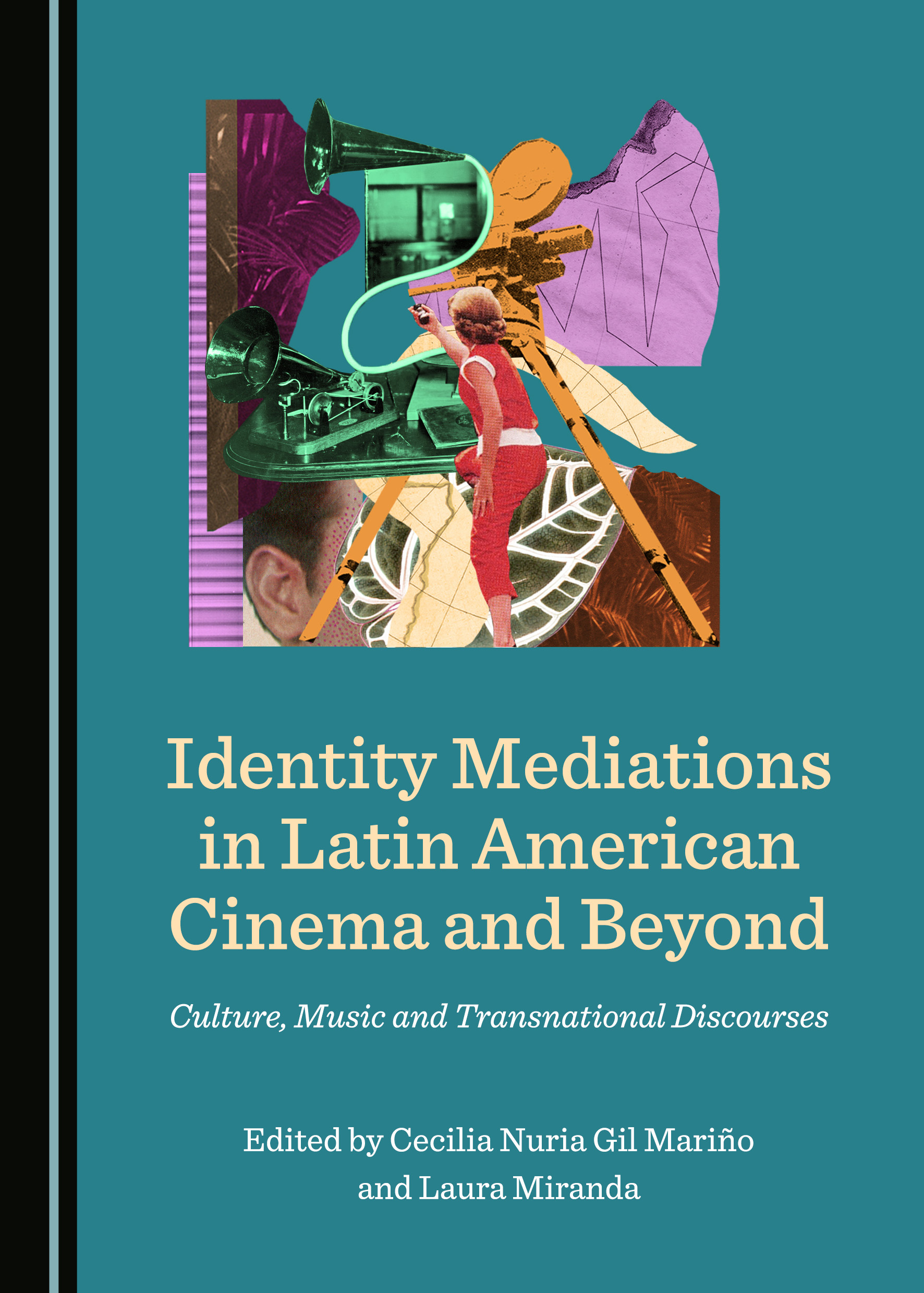 Identity Mediations in Latin American Cinema and Beyond: Culture, Music and Transnational Discourses
by
The appearance of sound film boosted entertainment circuits around the world, drawing cultural cartographies that forged images of spaces, nations and regions. By the late 1920s and early '30s, film played a key role in the configuration of national and regional cultural identities in incipient mass markets. Over the course of the twentieth and early twenty-first centuries, this transmedia logic not only went unthreatened, but also intensified with the arrival of new media and the development of new technologies. In this respect, this book strikes a dialogue between analyses that reflect the ...
Identity Mediations in Latin American Cinema and Beyond: Culture, Music and Transnational Discourses
by
The appearance of sound film boosted entertainment circuits around the world, drawing cultural cartographies that forged images of spaces, nations and regions. By the late 1920s and early '30s, film played a key role in the configuration of national and regional cultural identities in incipient mass markets. Over the course of the twentieth and early twenty-first centuries, this transmedia logic not only went unthreatened, but also intensified with the arrival of new media and the development of new technologies. In this respect, this book strikes a dialogue between analyses that reflect the ...
 The Ingenious Gentleman and Poet Federico García Lorca Ascends to Hell
by
In Carlos Rojas's imaginative novel, the Spanish poet Federico Garcia Lorca, murdered by Francoist rebels in August 1936, finds himself in an inferno that somehow resembles Breughel's Tower of Babel. He sits alone in a small theater in this private hell, viewing scenes from his own life performed over and over and over. Unexpectedly, two doppelgangers appear, one a middle-aged Lorca, the other an irascible octogenarian self, and the poet faces a nightmarish confusion of alternative identities and destinies. Carlos Rojas uses a fantastic premise-Garcia Lorca in hell-to reexamine the poet's life and speculate on alternatives to his tragic end. Rojas creates with a surrealist's eye and a moral philosopher's mind. He conjures a profoundly original world, and in so doing earns a place among such international peers as Gabriel Garcia Marquez, Philip Roth, J. M. Coetzee, and Jose Saramago."
The Ingenious Gentleman and Poet Federico García Lorca Ascends to Hell
by
In Carlos Rojas's imaginative novel, the Spanish poet Federico Garcia Lorca, murdered by Francoist rebels in August 1936, finds himself in an inferno that somehow resembles Breughel's Tower of Babel. He sits alone in a small theater in this private hell, viewing scenes from his own life performed over and over and over. Unexpectedly, two doppelgangers appear, one a middle-aged Lorca, the other an irascible octogenarian self, and the poet faces a nightmarish confusion of alternative identities and destinies. Carlos Rojas uses a fantastic premise-Garcia Lorca in hell-to reexamine the poet's life and speculate on alternatives to his tragic end. Rojas creates with a surrealist's eye and a moral philosopher's mind. He conjures a profoundly original world, and in so doing earns a place among such international peers as Gabriel Garcia Marquez, Philip Roth, J. M. Coetzee, and Jose Saramago."
 Latina Legacies: Identity, Biography, and Community
by
An extraordinary exploration of Latinas in the United States from the 1800s to the present, this collection of narrative biographies documents the lives of fifteen remarkable individuals who witnessed, defined, defied, and wrote about the forces that shaped their lives. Since the earliestperiods of Spanish American colonization, women have claimed public space and built communities, both as physical places and as cultural realms. As entrepreneurs, community activists, mystics, educators, feminists, labor organizers, artists and entertainers, many Latinas used the power of the pento traverse and transgress the social boundaries and cultural conventions of their time. Their diverse histories span two centuries and encompass a past of multiple conquests and migrations, taking into account race, region, gender, culture, and social location. Blending insights from history,literary criticism, and cultural studies, this interdisciplinary anthology re-envisions Latina history taking into consideration gendered genealogies of power as charted through grassroots' activism, literature, education, and economic enterprise. Their legacies rest on the production anddissemination of knowledge, which in turn reveals much about their own worldviews and historical agency. This anthology profiles Victoria Reid, Maria Amparo Ruiz de Burton, Maria Gertrudis Barcelo, Loreta Janeta Velazquez, Luisa Capetillo, Lola Rodriguez de Tio, Teresa Urrea, Adelina Otero Warren,Jovita Gonzalez Mireles, Pura Belpre, Luisa Moreno, Carmen Miranda, Antonia Pantoja, Ana Mendieta, and Dolores Huerta.
Latina Legacies: Identity, Biography, and Community
by
An extraordinary exploration of Latinas in the United States from the 1800s to the present, this collection of narrative biographies documents the lives of fifteen remarkable individuals who witnessed, defined, defied, and wrote about the forces that shaped their lives. Since the earliestperiods of Spanish American colonization, women have claimed public space and built communities, both as physical places and as cultural realms. As entrepreneurs, community activists, mystics, educators, feminists, labor organizers, artists and entertainers, many Latinas used the power of the pento traverse and transgress the social boundaries and cultural conventions of their time. Their diverse histories span two centuries and encompass a past of multiple conquests and migrations, taking into account race, region, gender, culture, and social location. Blending insights from history,literary criticism, and cultural studies, this interdisciplinary anthology re-envisions Latina history taking into consideration gendered genealogies of power as charted through grassroots' activism, literature, education, and economic enterprise. Their legacies rest on the production anddissemination of knowledge, which in turn reveals much about their own worldviews and historical agency. This anthology profiles Victoria Reid, Maria Amparo Ruiz de Burton, Maria Gertrudis Barcelo, Loreta Janeta Velazquez, Luisa Capetillo, Lola Rodriguez de Tio, Teresa Urrea, Adelina Otero Warren,Jovita Gonzalez Mireles, Pura Belpre, Luisa Moreno, Carmen Miranda, Antonia Pantoja, Ana Mendieta, and Dolores Huerta.
 Maria Irene Fornes
by
Maria Irene Fornes is the most influential female American dramatist of the 20th century. That is the argument of this important new study, the first to assess Fornes's complete body of work. Scott T. Cummings considers comic sketches, opera libretti and unpublished pieces, as well as her best-known plays, in order to trace the evolution of her dramaturgy from the whimsical Off-Off Broadway plays of the 1960s to the sober, meditative work of the 1990s. The book also reflects on her practice as an inspirational teacher of playwriting and the primary director of her own plays. Drawing on the latest scholarship and his own personal research and interviews with Fornes over two decades, Cummings examines Fornes's unique significance and outlines strategies for understanding her fragmentary, enigmatic, highly demanding theater.
Maria Irene Fornes
by
Maria Irene Fornes is the most influential female American dramatist of the 20th century. That is the argument of this important new study, the first to assess Fornes's complete body of work. Scott T. Cummings considers comic sketches, opera libretti and unpublished pieces, as well as her best-known plays, in order to trace the evolution of her dramaturgy from the whimsical Off-Off Broadway plays of the 1960s to the sober, meditative work of the 1990s. The book also reflects on her practice as an inspirational teacher of playwriting and the primary director of her own plays. Drawing on the latest scholarship and his own personal research and interviews with Fornes over two decades, Cummings examines Fornes's unique significance and outlines strategies for understanding her fragmentary, enigmatic, highly demanding theater.
 Modern Latin American Literature: A Very Short Introduction
by
In the 1960s, Latin American literature became known worldwide as never before. Writers such as Jorge Luis Borges, Gabriel Garcia Marquez, Mario Vargas Llosa, Carlos Fuentes, Pablo Neruda, Octavio Paz, and Mario Vargas Llosa all became part of the general
Modern Latin American Literature: A Very Short Introduction
by
In the 1960s, Latin American literature became known worldwide as never before. Writers such as Jorge Luis Borges, Gabriel Garcia Marquez, Mario Vargas Llosa, Carlos Fuentes, Pablo Neruda, Octavio Paz, and Mario Vargas Llosa all became part of the general
 Performing the US Latina and Latino Borderlands
by
In this interdisciplinary volume, contributors analyze the expression of Latina/o cultural identity through performance. With music, theater, dance, visual arts, body art, spoken word, performance activism, fashion, and street theater as points of entry, contributors discuss cultural practices and the fashoning of identity in Latino/a communities throughout the US. Examining the areas of crossover between Latin and American cultures gives new meaning to the notion of "borderlands." This volume features senior scholars and up-and-coming academics from cultural, visual, and performance studies, folklore, and ethnomusicology.
Performing the US Latina and Latino Borderlands
by
In this interdisciplinary volume, contributors analyze the expression of Latina/o cultural identity through performance. With music, theater, dance, visual arts, body art, spoken word, performance activism, fashion, and street theater as points of entry, contributors discuss cultural practices and the fashoning of identity in Latino/a communities throughout the US. Examining the areas of crossover between Latin and American cultures gives new meaning to the notion of "borderlands." This volume features senior scholars and up-and-coming academics from cultural, visual, and performance studies, folklore, and ethnomusicology.
 Queer Brown Voices: Personal Narratives of Latina/o LGBT Activism
by
In the last three decades of the twentieth century, LGBT Latinas/os faced several forms of discrimination. The greater Latino community did not often accept sexual minorities, and the mainstream LGBT movement expected everyone, regardless of their ethnic and racial background, to adhere to a specific set of priorities so as to accommodate a "unified" agenda. To disrupt the cycle of sexism, racism, and homophobia that they experienced, LGBT Latinas/os organized themselves on local, state, and national levels, forming communities in which they could fight for equal rights while simultaneously staying true to both their ethnic and sexual identities. Yet histories of LGBT activism in the 1970s, 1980s, and 1990s often reduce the role that Latinas/os played, resulting in misinformation, or ignore their work entirely, erasing them from history.Queer Brown Voices is the first book published to counter this trend, documenting the efforts of some of these LGBT Latina/o activists. Comprising essays and oral history interviews that present the experiences of fourteen activists across the United States and in Puerto Rico, the book offers a new perspective on the history of LGBT mobilization and activism. The activists discuss subjects that shed light not only on the organizations they helped to create and operate, but also on their broad-ranging experiences of being racialized and discriminated against, fighting for access to health care during the HIV/AIDS epidemic, and struggling for awareness.
Queer Brown Voices: Personal Narratives of Latina/o LGBT Activism
by
In the last three decades of the twentieth century, LGBT Latinas/os faced several forms of discrimination. The greater Latino community did not often accept sexual minorities, and the mainstream LGBT movement expected everyone, regardless of their ethnic and racial background, to adhere to a specific set of priorities so as to accommodate a "unified" agenda. To disrupt the cycle of sexism, racism, and homophobia that they experienced, LGBT Latinas/os organized themselves on local, state, and national levels, forming communities in which they could fight for equal rights while simultaneously staying true to both their ethnic and sexual identities. Yet histories of LGBT activism in the 1970s, 1980s, and 1990s often reduce the role that Latinas/os played, resulting in misinformation, or ignore their work entirely, erasing them from history.Queer Brown Voices is the first book published to counter this trend, documenting the efforts of some of these LGBT Latina/o activists. Comprising essays and oral history interviews that present the experiences of fourteen activists across the United States and in Puerto Rico, the book offers a new perspective on the history of LGBT mobilization and activism. The activists discuss subjects that shed light not only on the organizations they helped to create and operate, but also on their broad-ranging experiences of being racialized and discriminated against, fighting for access to health care during the HIV/AIDS epidemic, and struggling for awareness.
 Rockin' las Américas: The Global Politics of Rock in Latin/o America
by
Every nation in the Americas--from indigenous Peru to revolutionary Cuba--has been touched by the cultural and musical impact of rock. Rockin' Las Américas is the first book to explore the production, dissemination, and consumption of rock music throughout the Caribbean, Mexico, Central America, Brazil, the Andes, and the Southern Cone as well as among Latinos in the United States. The contributors include experts in music, history, literature, culture, sociology, and anthropology, as well as practicing rockeros and rockeras. The multidisciplinary, transnational, and comparative perspectives they bring to the topic serve to address a broad range of fundamental questions about rock in Latin and Latino America, including: Why did rock become such a controversial cultural force in the region? In what ways has rock served as a medium for expressing national identities? How are unique questions of race, class, and gender inscribed in Latin American rock? What makes Latin American rock Latin American? Rockin' Las Américas is an essential book for anyone who hopes to understand the complexities of Latin American culture today.
Rockin' las Américas: The Global Politics of Rock in Latin/o America
by
Every nation in the Americas--from indigenous Peru to revolutionary Cuba--has been touched by the cultural and musical impact of rock. Rockin' Las Américas is the first book to explore the production, dissemination, and consumption of rock music throughout the Caribbean, Mexico, Central America, Brazil, the Andes, and the Southern Cone as well as among Latinos in the United States. The contributors include experts in music, history, literature, culture, sociology, and anthropology, as well as practicing rockeros and rockeras. The multidisciplinary, transnational, and comparative perspectives they bring to the topic serve to address a broad range of fundamental questions about rock in Latin and Latino America, including: Why did rock become such a controversial cultural force in the region? In what ways has rock served as a medium for expressing national identities? How are unique questions of race, class, and gender inscribed in Latin American rock? What makes Latin American rock Latin American? Rockin' Las Américas is an essential book for anyone who hopes to understand the complexities of Latin American culture today.
 Rock the Nation: Latin/o Identities and the Latin Rock Diaspora
by
Rock the Nation analyzes Latino/a identity through rock 'n' roll music and its deep Latin/o history. By linking rock music to Latinos and to music from Latin America, the author argues that Latin/o music, people, and culture have been central to the development of rock music as a major popular music form, in spite of North American racial logic that marginalizes Latino/as as outsiders, foreigners, and always exotic. According to the author, the Latin/o Rock Diaspora illuminates complex identity issues and interesting paradoxes with regard to identity politics, such as nationalism. Latino/as use rock music for assimilation to mainstream North American culture, while in Latin America, rock music in Spanish is used to resist English and the hegemony of U.S. culture. Meanwhile, singing in English and adopting U.S. popular culture allows youth to resist the hegemonic nationalisms of their own countries. Thus, throughout the Americas, Latino/as utilize rock music for assimilation to mainstream national culture(s), for resistance to the hegemony of dominant culture(s), and for mediating the negotiation of Latino/a identities.
Rock the Nation: Latin/o Identities and the Latin Rock Diaspora
by
Rock the Nation analyzes Latino/a identity through rock 'n' roll music and its deep Latin/o history. By linking rock music to Latinos and to music from Latin America, the author argues that Latin/o music, people, and culture have been central to the development of rock music as a major popular music form, in spite of North American racial logic that marginalizes Latino/as as outsiders, foreigners, and always exotic. According to the author, the Latin/o Rock Diaspora illuminates complex identity issues and interesting paradoxes with regard to identity politics, such as nationalism. Latino/as use rock music for assimilation to mainstream North American culture, while in Latin America, rock music in Spanish is used to resist English and the hegemony of U.S. culture. Meanwhile, singing in English and adopting U.S. popular culture allows youth to resist the hegemonic nationalisms of their own countries. Thus, throughout the Americas, Latino/as utilize rock music for assimilation to mainstream national culture(s), for resistance to the hegemony of dominant culture(s), and for mediating the negotiation of Latino/a identities.
 Seen and Heard in Mexico: Children and Revolutionary Cultural Nationalism
by
During the first two decades following the Mexican Revolution, children in the country gained unprecedented consideration as viable cultural critics, social actors, and subjects of reform. Not only did they become central to the reform agenda of the revolutionary nationalist government; they were also the beneficiaries of the largest percentage of the national budget. While most historical accounts of postrevolutionary Mexico omit discussion of how children themselves experienced and perceived the sudden onslaught of resources and attention, Elena Jackson Albarrán, innbsp;Seen and Heard in Mexico, places children’s voices at the center of her analysis. Albarrán draws on archived records of children’s experiences in the form of letters, stories, scripts, drawings, interviews, presentations, and homework assignments to explore how Mexican childhood, despite the hopeful visions of revolutionary ideologues, was not a uniform experience set against the monolithic backdrop of cultural nationalism, but rather was varied and uneven. Moving children from the aesthetic to the political realm, Albarrán situates them in their rightful place at the center of Mexico’s revolutionary narrative by examining the avenues through which children contributed to ideas about citizenship and nation. nbsp;
Seen and Heard in Mexico: Children and Revolutionary Cultural Nationalism
by
During the first two decades following the Mexican Revolution, children in the country gained unprecedented consideration as viable cultural critics, social actors, and subjects of reform. Not only did they become central to the reform agenda of the revolutionary nationalist government; they were also the beneficiaries of the largest percentage of the national budget. While most historical accounts of postrevolutionary Mexico omit discussion of how children themselves experienced and perceived the sudden onslaught of resources and attention, Elena Jackson Albarrán, innbsp;Seen and Heard in Mexico, places children’s voices at the center of her analysis. Albarrán draws on archived records of children’s experiences in the form of letters, stories, scripts, drawings, interviews, presentations, and homework assignments to explore how Mexican childhood, despite the hopeful visions of revolutionary ideologues, was not a uniform experience set against the monolithic backdrop of cultural nationalism, but rather was varied and uneven. Moving children from the aesthetic to the political realm, Albarrán situates them in their rightful place at the center of Mexico’s revolutionary narrative by examining the avenues through which children contributed to ideas about citizenship and nation. nbsp;
 The Sense of Brown
by
The Sense of Brown is José Esteban Muñoz's treatise on brownness and being as well as his most direct address to queer Latinx studies. In this book, which he was completing at the time of his death, Muñoz examines the work of playwrights Ricardo Bracho and Nilo Cruz, artists Nao Bustamante, Isaac Julien, and Tania Bruguera, and singer José Feliciano, among others, arguing for a sense of brownness that is not fixed within the racial and national contours of Latinidad. This sense of brown is not about the individualized brown subject; rather, it demonstrates that for brown peoples, being exists within what Muñoz calls the brown commons--a lifeworld, queer ecology, and form of collectivity. In analyzing minoritarian affect, ethnicity as a structure of feeling, and brown feelings as they emerge in, through, and beside art and performance, Muñoz illustrates how the sense of brown serves as the basis for other ways of knowing and being in the world.
The Sense of Brown
by
The Sense of Brown is José Esteban Muñoz's treatise on brownness and being as well as his most direct address to queer Latinx studies. In this book, which he was completing at the time of his death, Muñoz examines the work of playwrights Ricardo Bracho and Nilo Cruz, artists Nao Bustamante, Isaac Julien, and Tania Bruguera, and singer José Feliciano, among others, arguing for a sense of brownness that is not fixed within the racial and national contours of Latinidad. This sense of brown is not about the individualized brown subject; rather, it demonstrates that for brown peoples, being exists within what Muñoz calls the brown commons--a lifeworld, queer ecology, and form of collectivity. In analyzing minoritarian affect, ethnicity as a structure of feeling, and brown feelings as they emerge in, through, and beside art and performance, Muñoz illustrates how the sense of brown serves as the basis for other ways of knowing and being in the world.
 Trafficking: Narcoculture in Mexico and the United States
by
In Trafficking, Hector Amaya examines how the dramatic escalation of drug violence in Mexico in 2008 prompted new forms of participation in public culture in Mexico and the United States. He contends that, by becoming a site of national and transnational debate about the role of the state, this violence altered the modes publicness could take, transforming assumptions about freedom of expression and the rules of public participation. Amaya examines the practices of narcocorrido musicians who take advantage of digital production and distribution technologies to escape Mexican censors and to share music across the US-Mexico border, as well as anonymous bloggers whose coverage of trafficking and violence from a place of relative safety made them public heroes. These new forms of being in the public sphere, Amaya demonstrates, evolved to exceed the bounds of the state and traditional media sources, signaling the inadequacy of democratic theories of freedom and publicness to understand how violence shapes public discourse.
Trafficking: Narcoculture in Mexico and the United States
by
In Trafficking, Hector Amaya examines how the dramatic escalation of drug violence in Mexico in 2008 prompted new forms of participation in public culture in Mexico and the United States. He contends that, by becoming a site of national and transnational debate about the role of the state, this violence altered the modes publicness could take, transforming assumptions about freedom of expression and the rules of public participation. Amaya examines the practices of narcocorrido musicians who take advantage of digital production and distribution technologies to escape Mexican censors and to share music across the US-Mexico border, as well as anonymous bloggers whose coverage of trafficking and violence from a place of relative safety made them public heroes. These new forms of being in the public sphere, Amaya demonstrates, evolved to exceed the bounds of the state and traditional media sources, signaling the inadequacy of democratic theories of freedom and publicness to understand how violence shapes public discourse.
 ¡Manteca!: An Anthology of Afro-Latin@ Poets
by
This anthology contains poems by more than 35 Afro-Latin@ poets writing about race, identity and culture
¡Manteca!: An Anthology of Afro-Latin@ Poets
by
This anthology contains poems by more than 35 Afro-Latin@ poets writing about race, identity and culture
 Aesthetics of Excess: The Art and Politics of Black and Latina Embodiment
by
Heavy makeup, gaudy jewelry, dramatic hairstyles, and clothes that are considered cheap, fake, too short, too tight, or too masculine: working-class Black and Latina girls and women are often framed as embodying "excessive" styles that are presumed to indicate sexual deviance. In Aesthetics of Excess Jillian Hernandez examines how middle-class discourses of aesthetic value racialize the bodies of women and girls of color. At the same time, their style can be a source of cultural capital when appropriated by the contemporary art scene. Drawing on her community arts work with Black and Latina girls in Miami, Hernandez analyzes the art and self-image of these girls alongside works produced by contemporary artists and pop musicians such as Wangechi Mutu, Kara Walker, and Nicki Minaj. Through these relational readings, Hernandez shows how notions of high and low culture are complicated when women and girls of color engage in cultural production and how they challenge the policing of their bodies and sexualities through artistic authorship.
Aesthetics of Excess: The Art and Politics of Black and Latina Embodiment
by
Heavy makeup, gaudy jewelry, dramatic hairstyles, and clothes that are considered cheap, fake, too short, too tight, or too masculine: working-class Black and Latina girls and women are often framed as embodying "excessive" styles that are presumed to indicate sexual deviance. In Aesthetics of Excess Jillian Hernandez examines how middle-class discourses of aesthetic value racialize the bodies of women and girls of color. At the same time, their style can be a source of cultural capital when appropriated by the contemporary art scene. Drawing on her community arts work with Black and Latina girls in Miami, Hernandez analyzes the art and self-image of these girls alongside works produced by contemporary artists and pop musicians such as Wangechi Mutu, Kara Walker, and Nicki Minaj. Through these relational readings, Hernandez shows how notions of high and low culture are complicated when women and girls of color engage in cultural production and how they challenge the policing of their bodies and sexualities through artistic authorship.
 Alejandro González Iñárritu
by
This in-depth study of Mexican film director Alejandro González Iñárritu explores his role in moving Mexican filmmaking from a traditional nationalist agenda towards a more global focus. Working in the United States and in Mexico, Iñárritu crosses national borders while his movies break the barriers of distribution, production, narration, and style. His features also experiment with transnational identity as characters emigrate and settings change. In studying the international scope of Iñárritu's influential films Amores Perros, 21 Grams, and Babel, Celestino Deleyto and María del Mar Azcona trace common themes such as human suffering and redemption, chance, and accidental encounters. The authors also analyze the director's powerful visual style and his consistent use of multiple characters and a fragmented narrative structure. The book concludes with a new interview with Iñárritu that touches on the themes and subject matter of his chief works.
Alejandro González Iñárritu
by
This in-depth study of Mexican film director Alejandro González Iñárritu explores his role in moving Mexican filmmaking from a traditional nationalist agenda towards a more global focus. Working in the United States and in Mexico, Iñárritu crosses national borders while his movies break the barriers of distribution, production, narration, and style. His features also experiment with transnational identity as characters emigrate and settings change. In studying the international scope of Iñárritu's influential films Amores Perros, 21 Grams, and Babel, Celestino Deleyto and María del Mar Azcona trace common themes such as human suffering and redemption, chance, and accidental encounters. The authors also analyze the director's powerful visual style and his consistent use of multiple characters and a fragmented narrative structure. The book concludes with a new interview with Iñárritu that touches on the themes and subject matter of his chief works.
 Broken Souths: Latina/o Poetic Responses to Neoliberalism and Globalization
by
Broken Souths offers the first in-depth study of the diverse field of contemporary Latina/o poetry. Its innovative angle of approach puts Latina/o and Latin American poets into sustained conversation in original and rewarding ways. In addition, author Michael Dowdy presents ecocritical readings that foreground the environmental dimensions of current Latina/o poetics. Dowdy argues that a transnational Latina/o imaginary has emerged in response to neoliberalism--the free-market philosophy that underpins what many in the northern hemisphere refer to as "globalization." His work examines how poets represent the places that have been "broken" by globalization's political, economic, and environmental upheavals. Broken Souths locates the roots of the new imaginary in 1968, when the Mexican student movement crested and the Chicano and Nuyorican movements emerged in the United States. It theorizes that Latina/o poetics negotiates tensions between the late 1960s' oppositional, collective identities and the present day's radical individualisms and discourses of assimilation, including the "post-colonial," "post-national," and "post-revolutionary." Dowdy is particularly interested in how Latina/o poetics reframes debates in cultural studies and critical geography on the relation between place, space, and nature. Broken Souths features discussions of Latina/o writers such as Victor Hernández Cruz, Martín Espada, Juan Felipe Herrera, Guillermo Verdecchia, Marcos McPeek Villatoro, Maurice Kilwein Guevara, Judith Ortiz Cofer, Jack Agüeros, Marjorie Agosín, Valerie Martínez, and Ariel Dorfman, alongside discussions of influential Latin American writers, including Roberto Bolaño, Ernesto Cardenal, David Huerta, José Emilio Pacheco, and Raúl Zurita.
Broken Souths: Latina/o Poetic Responses to Neoliberalism and Globalization
by
Broken Souths offers the first in-depth study of the diverse field of contemporary Latina/o poetry. Its innovative angle of approach puts Latina/o and Latin American poets into sustained conversation in original and rewarding ways. In addition, author Michael Dowdy presents ecocritical readings that foreground the environmental dimensions of current Latina/o poetics. Dowdy argues that a transnational Latina/o imaginary has emerged in response to neoliberalism--the free-market philosophy that underpins what many in the northern hemisphere refer to as "globalization." His work examines how poets represent the places that have been "broken" by globalization's political, economic, and environmental upheavals. Broken Souths locates the roots of the new imaginary in 1968, when the Mexican student movement crested and the Chicano and Nuyorican movements emerged in the United States. It theorizes that Latina/o poetics negotiates tensions between the late 1960s' oppositional, collective identities and the present day's radical individualisms and discourses of assimilation, including the "post-colonial," "post-national," and "post-revolutionary." Dowdy is particularly interested in how Latina/o poetics reframes debates in cultural studies and critical geography on the relation between place, space, and nature. Broken Souths features discussions of Latina/o writers such as Victor Hernández Cruz, Martín Espada, Juan Felipe Herrera, Guillermo Verdecchia, Marcos McPeek Villatoro, Maurice Kilwein Guevara, Judith Ortiz Cofer, Jack Agüeros, Marjorie Agosín, Valerie Martínez, and Ariel Dorfman, alongside discussions of influential Latin American writers, including Roberto Bolaño, Ernesto Cardenal, David Huerta, José Emilio Pacheco, and Raúl Zurita.
 Buñuel and Mexico: The Crisis of National Cinema
by
Though Luis Buñuel, one of the most important filmmakers of the twentieth century, spent his most productive years as a director in Mexico, film histories and criticism invariably pay little attention to his work during this period. The only book-length English-language study of Buñuel's Mexican films, this book is the first to explore a significant but neglected area of this filmmaker's distinguished career and thus to fill a gap in our appreciation and understanding of both Buñuel's achievement and the history of Mexican film. Ernesto Acevedo-Muñoz considers Buñuel's Mexican films--made between 1947 and 1965--within the context of a national and nationalist film industry, comparing the filmmaker's employment of styles, genres, character types, themes, and techniques to those most characteristic of Mexican cinema. In this study Buñuel's films emerge as a link between the Classical Mexican cinema of the 1930s through the 1950s and the "new" Cinema of the 1960s, flourishing in a time of crisis for the national film industry and introducing some of the stylistic and conceptual changes that would revitalize Mexican cinema.
Buñuel and Mexico: The Crisis of National Cinema
by
Though Luis Buñuel, one of the most important filmmakers of the twentieth century, spent his most productive years as a director in Mexico, film histories and criticism invariably pay little attention to his work during this period. The only book-length English-language study of Buñuel's Mexican films, this book is the first to explore a significant but neglected area of this filmmaker's distinguished career and thus to fill a gap in our appreciation and understanding of both Buñuel's achievement and the history of Mexican film. Ernesto Acevedo-Muñoz considers Buñuel's Mexican films--made between 1947 and 1965--within the context of a national and nationalist film industry, comparing the filmmaker's employment of styles, genres, character types, themes, and techniques to those most characteristic of Mexican cinema. In this study Buñuel's films emerge as a link between the Classical Mexican cinema of the 1930s through the 1950s and the "new" Cinema of the 1960s, flourishing in a time of crisis for the national film industry and introducing some of the stylistic and conceptual changes that would revitalize Mexican cinema.
 The Cinema of Latin America
by
The Cinema of Latin America is the first volume in the new 24 Frames series of studies of national and regional cinema. In taking an explicitly text-centered approach, the books in this series offer a unique way of considering the particular concerns, styles and modes of representation of numerous national cinemas around the world. This volume focuses on the vibrant practices that make up Latin American cinema, a historically important regional cinema and one that is increasingly returning to popular and academic appreciation. Through 24 individual concise and insightful essays that each consider one significant film or documentary, the editors of this volume have compiled a unique introduction to the cinematic output of countries as diverse as Brazil, Argentina, Cuba, Mexico, Bolivia, Chile and Venezuala. The work of directors such as Luis Bu#65533;uel, Thomas Guiterrez Alea, Walter Salles, and Alfonso Arau is discussed and the collection includes in-depth studies of seminal works as such Los Olvidados, The Hour of the Furnaces, Like Water For Chocolate, Foreign Land, and Amoros Perros.
The Cinema of Latin America
by
The Cinema of Latin America is the first volume in the new 24 Frames series of studies of national and regional cinema. In taking an explicitly text-centered approach, the books in this series offer a unique way of considering the particular concerns, styles and modes of representation of numerous national cinemas around the world. This volume focuses on the vibrant practices that make up Latin American cinema, a historically important regional cinema and one that is increasingly returning to popular and academic appreciation. Through 24 individual concise and insightful essays that each consider one significant film or documentary, the editors of this volume have compiled a unique introduction to the cinematic output of countries as diverse as Brazil, Argentina, Cuba, Mexico, Bolivia, Chile and Venezuala. The work of directors such as Luis Bu#65533;uel, Thomas Guiterrez Alea, Walter Salles, and Alfonso Arau is discussed and the collection includes in-depth studies of seminal works as such Los Olvidados, The Hour of the Furnaces, Like Water For Chocolate, Foreign Land, and Amoros Perros.
 Colombia's Forgotten Frontier: A Literary Geography of the Putumayo
by
Coming to prominence during the tropical booms of the late nineteenth and early twentieth centuries, the Putumayo has long been a site of mass immigration and exile, of subjugation and insurgency, and of violence. By way of a study of literature of and on the Putumayo by Latin American as well as US and European writers, Colombia's Forgotten Frontier explores the history and enduring significance of this Amazonian border zone, which has been visited both physically and imaginatively by figures such as Roger Casement, José Eustasio Rivera, and William Burroughs. Travel writing, testimony, diaries, letters, journalism, oral history, songs, photographs, and 'pulp' fiction are all considered alongside more conventional forms such as the novel. Whilst geographically peripheral, the Putumayo has played a central role in Colombia and beyond, both historically and, crucial to this study, culturally, producing a literature of extreme experience, marginality, and conflict.
Colombia's Forgotten Frontier: A Literary Geography of the Putumayo
by
Coming to prominence during the tropical booms of the late nineteenth and early twentieth centuries, the Putumayo has long been a site of mass immigration and exile, of subjugation and insurgency, and of violence. By way of a study of literature of and on the Putumayo by Latin American as well as US and European writers, Colombia's Forgotten Frontier explores the history and enduring significance of this Amazonian border zone, which has been visited both physically and imaginatively by figures such as Roger Casement, José Eustasio Rivera, and William Burroughs. Travel writing, testimony, diaries, letters, journalism, oral history, songs, photographs, and 'pulp' fiction are all considered alongside more conventional forms such as the novel. Whilst geographically peripheral, the Putumayo has played a central role in Colombia and beyond, both historically and, crucial to this study, culturally, producing a literature of extreme experience, marginality, and conflict.
 The Cry of the Senses: Listening to Latinx and Caribbean Poetics
by
Weaving together the black radical tradition with Caribbean and Latinx performance, cinema, music, and literature, Ren Ellis Neyra highlights the ways Latinx and Caribbean sonic practices challenge antiblack, colonial, post-Enlightenment, and humanist epistemologies.
The Cry of the Senses: Listening to Latinx and Caribbean Poetics
by
Weaving together the black radical tradition with Caribbean and Latinx performance, cinema, music, and literature, Ren Ellis Neyra highlights the ways Latinx and Caribbean sonic practices challenge antiblack, colonial, post-Enlightenment, and humanist epistemologies.
 The Diaspora Strikes Back: Caribbean Latino Tales of Learning and Turning
by
In The Diaspora Strikes Back the eminent ethnic and cultural studies scholar Juan Flores flips the process on its head: what happens to the home country when it is being constantly fed by emigrants returning from abroad? He looks at how 'Nuyoricans' (Puerto Rican New Yorkers) have transformed the home country, introducing hip hop and modern New York culture to the Caribbean island. While he focuses on New York and Mayaguez (in Puerto Rico), the model is broadly applicable. Indians introducing contemporary British culture to India; New York Dominicans bringing slices of New York culture back to the Dominican Republic; Mexicans bringing LA culture (from fast food to heavy metal) back to Guadalajara and Monterrey. This ongoing process is both massive and global, and Flores' novel account will command a significant audience across disciplines.
The Diaspora Strikes Back: Caribbean Latino Tales of Learning and Turning
by
In The Diaspora Strikes Back the eminent ethnic and cultural studies scholar Juan Flores flips the process on its head: what happens to the home country when it is being constantly fed by emigrants returning from abroad? He looks at how 'Nuyoricans' (Puerto Rican New Yorkers) have transformed the home country, introducing hip hop and modern New York culture to the Caribbean island. While he focuses on New York and Mayaguez (in Puerto Rico), the model is broadly applicable. Indians introducing contemporary British culture to India; New York Dominicans bringing slices of New York culture back to the Dominican Republic; Mexicans bringing LA culture (from fast food to heavy metal) back to Guadalajara and Monterrey. This ongoing process is both massive and global, and Flores' novel account will command a significant audience across disciplines.
 An Ecology of Knowledges: Fear, Love, and Technoscience in Guatemalan Forest Conservation
by
Guatemala's Maya Biosphere Reserve (MBR), the largest protected area in Central America, is characterized by rampant violence, social and ethnic inequality, and rapid deforestation. Faced with these threats, local residents, conservationists, scientists, and NGOs in the region work within what Micha Rahder calls "an ecology of knowledges," in which interventions on the MBR landscape are tied to differing and sometimes competing forms of knowing. In this book, Rahder examines how technoscience, endemic violence, and an embodied love of wild species and places shape conservation practices in Guatemala. Rahder highlights how different forms of environmental knowledge emerge from encounters and relations between humans and nonhumans, institutions and local actors, and how situated ways of knowing impact conservation practices and natural places, often in unexpected and unintended ways. In so doing, she opens up new ways of thinking about the complexities of environmental knowledge and conservation in the context of instability, inequality, and violence around the world.
An Ecology of Knowledges: Fear, Love, and Technoscience in Guatemalan Forest Conservation
by
Guatemala's Maya Biosphere Reserve (MBR), the largest protected area in Central America, is characterized by rampant violence, social and ethnic inequality, and rapid deforestation. Faced with these threats, local residents, conservationists, scientists, and NGOs in the region work within what Micha Rahder calls "an ecology of knowledges," in which interventions on the MBR landscape are tied to differing and sometimes competing forms of knowing. In this book, Rahder examines how technoscience, endemic violence, and an embodied love of wild species and places shape conservation practices in Guatemala. Rahder highlights how different forms of environmental knowledge emerge from encounters and relations between humans and nonhumans, institutions and local actors, and how situated ways of knowing impact conservation practices and natural places, often in unexpected and unintended ways. In so doing, she opens up new ways of thinking about the complexities of environmental knowledge and conservation in the context of instability, inequality, and violence around the world.
 Indianizing Film: Decolonization, the Andes, and the Question of Technology
by
Latin American indigenous media production has recently experienced a noticeable boom, specifically in Bolivia, Ecuador, and Colombia. Indianizing Film zooms in on a selection of award-winning and widely influential fiction and docudrama shorts, analyzing them in the wider context of indigenous media practices and debates over decolonizing knowledge. Within this framework, Freya Schiwy approaches questions of gender, power, and representation. Schiwy argues that instead of solely creating entertainment through their work indigenous media activists are building communication networks that encourage interaction between diverse cultures. As a result, mainstream images are retooled, permitting communities to strengthen their cultures and express their own visions of development and modernization. Indianizing Film encourages readers to consider how indigenous media contributes to a wider understanding of decolonization and anticolonial study against the universal backdrop of the twenty-first century.
Indianizing Film: Decolonization, the Andes, and the Question of Technology
by
Latin American indigenous media production has recently experienced a noticeable boom, specifically in Bolivia, Ecuador, and Colombia. Indianizing Film zooms in on a selection of award-winning and widely influential fiction and docudrama shorts, analyzing them in the wider context of indigenous media practices and debates over decolonizing knowledge. Within this framework, Freya Schiwy approaches questions of gender, power, and representation. Schiwy argues that instead of solely creating entertainment through their work indigenous media activists are building communication networks that encourage interaction between diverse cultures. As a result, mainstream images are retooled, permitting communities to strengthen their cultures and express their own visions of development and modernization. Indianizing Film encourages readers to consider how indigenous media contributes to a wider understanding of decolonization and anticolonial study against the universal backdrop of the twenty-first century.
 Jac Leirner in Conversation with Adele Nelson
by
This third publication in the Fundaci n Cisneros' Conversaciones/Conversations series puts Brazilian conceptual artist Jac Leirner in dialogue with art historian Adele Nelson. Leirner (born 1961) emerged in the early 1990s at the forefront of a new, transnational generation of artists looking to the art of the 1960s and 1970s as a point of departure. Leirner's meticulously constructed works carve out a place for commonplace objects, from cigarette packs and plastic shopping bags to cutlery and currency. In this, the first in-depth study of Leirner's creative process, Nelson interviews the artist about more than two decades of production.
Jac Leirner in Conversation with Adele Nelson
by
This third publication in the Fundaci n Cisneros' Conversaciones/Conversations series puts Brazilian conceptual artist Jac Leirner in dialogue with art historian Adele Nelson. Leirner (born 1961) emerged in the early 1990s at the forefront of a new, transnational generation of artists looking to the art of the 1960s and 1970s as a point of departure. Leirner's meticulously constructed works carve out a place for commonplace objects, from cigarette packs and plastic shopping bags to cutlery and currency. In this, the first in-depth study of Leirner's creative process, Nelson interviews the artist about more than two decades of production.
 Jesús Soto in Conversation with Ariel Jiménez
by
Venezuela's primary exponent of Kinetic and Op art, Jes s Soto (1923-2005) is one of the most important Latin American artists of the twentieth century. Here, in conversations with Ariel Jim nez, Soto recounts his childhood in Ciudad Bolivar, Venezuela; his first encounters with painting; his unending search for "thinking" time and space as dimensions beyond pictorial representation; and the development of his ideas that finally lead him to the creation of his famous Penetrables, large kinetic sculptures through which the viewer walks. This volume is a revised and expanded edition of Conversaciones con Jes s Soto (2001), which served as the inspiration for the Fundaci n Cisneros' Conversaciones/ Conversations series.
Jesús Soto in Conversation with Ariel Jiménez
by
Venezuela's primary exponent of Kinetic and Op art, Jes s Soto (1923-2005) is one of the most important Latin American artists of the twentieth century. Here, in conversations with Ariel Jim nez, Soto recounts his childhood in Ciudad Bolivar, Venezuela; his first encounters with painting; his unending search for "thinking" time and space as dimensions beyond pictorial representation; and the development of his ideas that finally lead him to the creation of his famous Penetrables, large kinetic sculptures through which the viewer walks. This volume is a revised and expanded edition of Conversaciones con Jes s Soto (2001), which served as the inspiration for the Fundaci n Cisneros' Conversaciones/ Conversations series.
 José Limón and La Malinche: The Dancer and the Dance
by
"In this volume, scholars and artists from fields as diverse as dance history, art history, Mesoamerican ethnohistory, Mexican American studies, music studies, and Mexican history come together to explore one of dancer/choreographer Jose Limon's masterworks, the ballet La Malinche. Offering many points of entry into the dance, they examine La Malinche from various angles, such as Limon's life story and the influence of his Mexican heritage on his work, an analysis of the dance itself, the musical score composed by Norman Lloyd, the visual elements of props and costumes, the history and myth of La Malinche (the indigenous woman who served the Spanish conquistador Hernan Cortes as interpreter and mistress), La Malinche's continuing presence in Mexican American culture, and issues involved in a modern restaging of the dance." "Also included in the book is a DVD written and directed by Patricia Harrington Delaney that presents the ballet in its entirety, accompanied by expert commentary that sets La Malinche within its artistic and historical context."
José Limón and La Malinche: The Dancer and the Dance
by
"In this volume, scholars and artists from fields as diverse as dance history, art history, Mesoamerican ethnohistory, Mexican American studies, music studies, and Mexican history come together to explore one of dancer/choreographer Jose Limon's masterworks, the ballet La Malinche. Offering many points of entry into the dance, they examine La Malinche from various angles, such as Limon's life story and the influence of his Mexican heritage on his work, an analysis of the dance itself, the musical score composed by Norman Lloyd, the visual elements of props and costumes, the history and myth of La Malinche (the indigenous woman who served the Spanish conquistador Hernan Cortes as interpreter and mistress), La Malinche's continuing presence in Mexican American culture, and issues involved in a modern restaging of the dance." "Also included in the book is a DVD written and directed by Patricia Harrington Delaney that presents the ballet in its entirety, accompanied by expert commentary that sets La Malinche within its artistic and historical context."
 Latino/a Popular Culture
by
Cover artwork by Diane Gamboa. Credit-Click here Latinos have become the largest ethnic minority group in the United States. While the presence of Latinos and Latinas in mainstream news and in popular culture in the United States buttresses the much-heralded Latin Explosion, the images themselves are often contradictory. In Latino/a Popular Culture, Habell-Pallán and Romero have brought together scholars from the humanities and social sciences to analyze representations of Latinidad in a diversity of genres - media, culture, music, film, theatre, art, and sports - that are emerging across the nation in relation to Chicanas, Chicanos, mestizos, Puerto Ricans, Caribbeans, Central Americans and South Americans, and Latinos in Canada. Contributors include Adrian Burgos, Jr., Luz Calvo, Arlene Dávila, Melissa A. Fitch, Michelle Habell-Pallán, Tanya Katerí Hernández, Josh Kun, Frances Negron-Muntaner, William A. Nericcio, Raquel Z. Rivera, Ana Patricia Rodríguez, Gregory Rodriguez, Mary Romero, Alberto Sandoval-Sánchez, Christopher A. Shinn, Deborah R. Vargas, and Juan Velasco. Cover artwork "Layering the Decades" by Diane Gamboa, 2002, mixed media on paper, 11 X 8.5". Copyright 2001, Diane Gamboa. Printed with permission.
Latino/a Popular Culture
by
Cover artwork by Diane Gamboa. Credit-Click here Latinos have become the largest ethnic minority group in the United States. While the presence of Latinos and Latinas in mainstream news and in popular culture in the United States buttresses the much-heralded Latin Explosion, the images themselves are often contradictory. In Latino/a Popular Culture, Habell-Pallán and Romero have brought together scholars from the humanities and social sciences to analyze representations of Latinidad in a diversity of genres - media, culture, music, film, theatre, art, and sports - that are emerging across the nation in relation to Chicanas, Chicanos, mestizos, Puerto Ricans, Caribbeans, Central Americans and South Americans, and Latinos in Canada. Contributors include Adrian Burgos, Jr., Luz Calvo, Arlene Dávila, Melissa A. Fitch, Michelle Habell-Pallán, Tanya Katerí Hernández, Josh Kun, Frances Negron-Muntaner, William A. Nericcio, Raquel Z. Rivera, Ana Patricia Rodríguez, Gregory Rodriguez, Mary Romero, Alberto Sandoval-Sánchez, Christopher A. Shinn, Deborah R. Vargas, and Juan Velasco. Cover artwork "Layering the Decades" by Diane Gamboa, 2002, mixed media on paper, 11 X 8.5". Copyright 2001, Diane Gamboa. Printed with permission.
 Latinx Art: Artists, Markets, Politics
by
In Latinx Art Arlene Dávila draws on numerous interviews with artists, dealers, and curators to explore the problem of visualizing Latinx art and artists. Providing an inside and critical look of the global contemporary art market, Dávila's book is at once an introduction to contemporary Latinx art and a call to decolonize the art worlds and practices that erase and whitewash Latinx artists. Dávila shows the importance of race, class, and nationalism in shaping contemporary art markets while providing a path for scrutinizing art and culture institutions and for diversifying the art world.
Latinx Art: Artists, Markets, Politics
by
In Latinx Art Arlene Dávila draws on numerous interviews with artists, dealers, and curators to explore the problem of visualizing Latinx art and artists. Providing an inside and critical look of the global contemporary art market, Dávila's book is at once an introduction to contemporary Latinx art and a call to decolonize the art worlds and practices that erase and whitewash Latinx artists. Dávila shows the importance of race, class, and nationalism in shaping contemporary art markets while providing a path for scrutinizing art and culture institutions and for diversifying the art world.
 Looking Out, Looking In: Anthology of Latino Poetry
by
The poems included in this comprehensive anthology run the gamut of styles and themes, but all are by Latinos writing from the mid- twentieth century to the present. Some deal with issues specific to the Hispanic experience, such as displacement, identity and language. Others ponder universal concerns, such as love, family and humanity. In "Letter to Arturo," Mexican-American poet Lucha Corpi pens a song of love to her son: "You've hardly left / and already I miss the light / caress of your hands / on my hair, / and your laughter and your tears, / and all your questions / about seas, / moons and deserts. / And all my poems / are tying themselves together / in my throat."More than 60 Latino poets are represented in this wide-ranging collection that focuses on poetry from the four largest groups in the United States: Mexican Americans, Cuban Americans, Puerto Ricans and Dominican Americans.Included are distinguished poets such as Julia Álvarez, Gloria Anzaldúa, Jimmy Santiago Baca, Martín Espada and Pedro Pietri, as well as less well-known writers who deserve more recognition. Whether writing about timeless issues or themes specific to their community, the poets in this volume craft a multilayered look at what it means to be Latino in the United States. Looking Out, Looking In is an indispensable and welcome addition to American and Latino literatures.
Looking Out, Looking In: Anthology of Latino Poetry
by
The poems included in this comprehensive anthology run the gamut of styles and themes, but all are by Latinos writing from the mid- twentieth century to the present. Some deal with issues specific to the Hispanic experience, such as displacement, identity and language. Others ponder universal concerns, such as love, family and humanity. In "Letter to Arturo," Mexican-American poet Lucha Corpi pens a song of love to her son: "You've hardly left / and already I miss the light / caress of your hands / on my hair, / and your laughter and your tears, / and all your questions / about seas, / moons and deserts. / And all my poems / are tying themselves together / in my throat."More than 60 Latino poets are represented in this wide-ranging collection that focuses on poetry from the four largest groups in the United States: Mexican Americans, Cuban Americans, Puerto Ricans and Dominican Americans.Included are distinguished poets such as Julia Álvarez, Gloria Anzaldúa, Jimmy Santiago Baca, Martín Espada and Pedro Pietri, as well as less well-known writers who deserve more recognition. Whether writing about timeless issues or themes specific to their community, the poets in this volume craft a multilayered look at what it means to be Latino in the United States. Looking Out, Looking In is an indispensable and welcome addition to American and Latino literatures.
 Manufacturing Celebrity: Latino Paparazzi and Women Reporters in Hollywood
by
In Manufacturing Celebrity Vanessa Díaz traces the complex power dynamics of the reporting and paparazzi work that fuel contemporary Hollywood and American celebrity culture. Drawing on ethnographic fieldwork, her experience reporting for People magazine, and dozens of interviews with photographers, journalists, publicists, magazine editors, and celebrities, Díaz examines the racialized and gendered labor involved in manufacturing and selling relatable celebrity personas. Celebrity reporters, most of whom are white women, are expected to leverage their sexuality to generate coverage, which makes them vulnerable to sexual exploitation and assault. Meanwhile, the predominantly male Latino paparazzi can face life-threatening situations and endure vilification that echoes anti-immigrant rhetoric. In pointing out the precarity of those who hustle to make a living by generating the bulk of celebrity media, Díaz highlights the profound inequities of the systems that provide consumers with 24/7 coverage of their favorite stars.
Manufacturing Celebrity: Latino Paparazzi and Women Reporters in Hollywood
by
In Manufacturing Celebrity Vanessa Díaz traces the complex power dynamics of the reporting and paparazzi work that fuel contemporary Hollywood and American celebrity culture. Drawing on ethnographic fieldwork, her experience reporting for People magazine, and dozens of interviews with photographers, journalists, publicists, magazine editors, and celebrities, Díaz examines the racialized and gendered labor involved in manufacturing and selling relatable celebrity personas. Celebrity reporters, most of whom are white women, are expected to leverage their sexuality to generate coverage, which makes them vulnerable to sexual exploitation and assault. Meanwhile, the predominantly male Latino paparazzi can face life-threatening situations and endure vilification that echoes anti-immigrant rhetoric. In pointing out the precarity of those who hustle to make a living by generating the bulk of celebrity media, Díaz highlights the profound inequities of the systems that provide consumers with 24/7 coverage of their favorite stars.
 Modern Architecture in Latin America: Art, Technology, and Utopia
by
Modern Architecture in Latin America: Art, Technology, and Utopia
by
 On Art, Artists, Latin America, and Other Utopias
by
Artist, educator, curator, and critic Luis Camnitzer has been writing about contemporary art ever since he left his native Uruguay in 1964 for a fellowship in New York City. As a transplant from the "periphery" to the "center," Camnitzer has had to confront fundamental questions about making art in the Americas, asking himself and others: What is "Latin American art"? How does it relate (if it does) to art created in the centers of New York and Europe? What is the role of the artist in exile? Writing about issues of such personal, cultural, and indeed political import has long been an integral part of Camnitzer's artistic project, a way of developing an idiosyncratic art history in which to work out his own place in the picture. This volume gathers Camnitzer's most thought-provoking essays--"texts written to make something happen," in the words of volume editor Rachel Weiss. They elaborate themes that appear persistently throughout Camnitzer's work: art world systems versus an art of commitment; artistic genealogies and how they are consecrated; and, most insistently, the possibilities for artistic agency. The theme of "translation" informs the texts in the first part of the book, with Camnitzer asking such questions as "What is Latin America, and who asks the question? Who is the artist, there and here?" The texts in the second section are more historically than geographically oriented, exploring little-known moments, works, and events that compose the legacy that Camnitzer draws on and offers to his readers.
On Art, Artists, Latin America, and Other Utopias
by
Artist, educator, curator, and critic Luis Camnitzer has been writing about contemporary art ever since he left his native Uruguay in 1964 for a fellowship in New York City. As a transplant from the "periphery" to the "center," Camnitzer has had to confront fundamental questions about making art in the Americas, asking himself and others: What is "Latin American art"? How does it relate (if it does) to art created in the centers of New York and Europe? What is the role of the artist in exile? Writing about issues of such personal, cultural, and indeed political import has long been an integral part of Camnitzer's artistic project, a way of developing an idiosyncratic art history in which to work out his own place in the picture. This volume gathers Camnitzer's most thought-provoking essays--"texts written to make something happen," in the words of volume editor Rachel Weiss. They elaborate themes that appear persistently throughout Camnitzer's work: art world systems versus an art of commitment; artistic genealogies and how they are consecrated; and, most insistently, the possibilities for artistic agency. The theme of "translation" informs the texts in the first part of the book, with Camnitzer asking such questions as "What is Latin America, and who asks the question? Who is the artist, there and here?" The texts in the second section are more historically than geographically oriented, exploring little-known moments, works, and events that compose the legacy that Camnitzer draws on and offers to his readers.
 Sex and the Citizen: Interrogating the Caribbean
by
Sex and the Citizen is a multidisciplinary collection of essays that draws on current anxieties about "legitimate" sexual identities and practices across the Caribbean to explore both the impact of globalization and the legacy of the region’s history of sexual exploitation during colonialism, slavery, and indentureship. Speaking from within but also challenging the assumptions of feminism, literary and cultural studies, and queer studies, this volume questions prevailing oppositions between the backward, homophobic nation-state and the laid-back, service-with-a-smile paradise or between giving in ignominiously to the autocratic demands of the global north and equating postcolonial sovereignty with a "wholesome" heterosexual citizenry. The contributors use parliamentary legislation, novels, film, and other texts to examine Martinique’s relationship to France; the diasporic relationships between the Dominican Republic and New York City, between India and Trinidad, and between Mexico’s capital city and its Caribbean coast; "indigenous" names for sexual practices and desires in Suriname and the Eastern Caribbean; and other topics. This volume will appeal to readers interested in how sex has become an important register for considerations of citizenship, personal and political autonomy, and identity in the Caribbean and the global south. Contributors: Vanessa Agard-Jones * Odile Cazenave * Michelle Cliff * Susan Dayal * Alison Donnell * Donette Francis * Carmen Gillespie* Rosamond S. King * Antonia MacDonald-Smythe * Tejaswini Niranjana * Evelyn O’Callaghan * Tracy Robinson * Patricia Saunders * Yasmin Tambiah * Omise’eke Natasha Tinsley * Rinaldo Walcott * M. S. Worrell
Sex and the Citizen: Interrogating the Caribbean
by
Sex and the Citizen is a multidisciplinary collection of essays that draws on current anxieties about "legitimate" sexual identities and practices across the Caribbean to explore both the impact of globalization and the legacy of the region’s history of sexual exploitation during colonialism, slavery, and indentureship. Speaking from within but also challenging the assumptions of feminism, literary and cultural studies, and queer studies, this volume questions prevailing oppositions between the backward, homophobic nation-state and the laid-back, service-with-a-smile paradise or between giving in ignominiously to the autocratic demands of the global north and equating postcolonial sovereignty with a "wholesome" heterosexual citizenry. The contributors use parliamentary legislation, novels, film, and other texts to examine Martinique’s relationship to France; the diasporic relationships between the Dominican Republic and New York City, between India and Trinidad, and between Mexico’s capital city and its Caribbean coast; "indigenous" names for sexual practices and desires in Suriname and the Eastern Caribbean; and other topics. This volume will appeal to readers interested in how sex has become an important register for considerations of citizenship, personal and political autonomy, and identity in the Caribbean and the global south. Contributors: Vanessa Agard-Jones * Odile Cazenave * Michelle Cliff * Susan Dayal * Alison Donnell * Donette Francis * Carmen Gillespie* Rosamond S. King * Antonia MacDonald-Smythe * Tejaswini Niranjana * Evelyn O’Callaghan * Tracy Robinson * Patricia Saunders * Yasmin Tambiah * Omise’eke Natasha Tinsley * Rinaldo Walcott * M. S. Worrell
 Situating Salsa: Global Markets and Local Meanings in Latin Popular Music
by
Situating Salsa offers the first comprehensive consideration of salsa music and its social impact, in its multiple transnational contexts.
Situating Salsa: Global Markets and Local Meanings in Latin Popular Music
by
Situating Salsa offers the first comprehensive consideration of salsa music and its social impact, in its multiple transnational contexts.
 Sovereign Acts: Contesting Colonialism Across Indigenous Nations and Latinx America
by
Sovereign Acts: Contesting Colonialism Across Indigenous Nations and Latinx America
by
 With a Book in Their Hands: Chicano/a Readers and Readerships Across the Centuries
by
First Place Winner of the 2015 International Latino Book Award for Best Latino Focused Nonfiction Book Literary history is a history of reading. What happens during the act of reading is the subject of the branch of literary scholarship known as reader-response theory. Does the text guide the reader? Does the reader operate independently of the text? Questions like these shape the approach of the essays in this book, edited by a scholar known for his groundbreaking work in using reader-response theory as a window into Chicana and Chicano literature. Manuel M. Martín-Rodríguez has overseen several research projects aimed at documenting Chicana and Chicano reading practices and experiences. Here he gathers diverse and passionate accounts of reading drawn from that research. For many, books served as refuges from the sorrows of a childhood marked by violence or parental abandonment. Several of the contributors here salute the roles of teachers in introducing poetry and stories into their lives.
With a Book in Their Hands: Chicano/a Readers and Readerships Across the Centuries
by
First Place Winner of the 2015 International Latino Book Award for Best Latino Focused Nonfiction Book Literary history is a history of reading. What happens during the act of reading is the subject of the branch of literary scholarship known as reader-response theory. Does the text guide the reader? Does the reader operate independently of the text? Questions like these shape the approach of the essays in this book, edited by a scholar known for his groundbreaking work in using reader-response theory as a window into Chicana and Chicano literature. Manuel M. Martín-Rodríguez has overseen several research projects aimed at documenting Chicana and Chicano reading practices and experiences. Here he gathers diverse and passionate accounts of reading drawn from that research. For many, books served as refuges from the sorrows of a childhood marked by violence or parental abandonment. Several of the contributors here salute the roles of teachers in introducing poetry and stories into their lives.
 Women in Mexican Folk Art: Of Promises, Betrayals, Monsters and Celebrities
by
The aim of this book is to engender Mexican folk art and locate women at its centre by studying the processes of creation, distribution, and consumption, as well as examining iconographic aspects, and elements of class and ethnicity, from the perspective of gender. The author will demonstrate that the topic provides unique insights into Mexican culture, and has enormous relevance within and without the country, given the fact that much folk art is made for the United States and Europe, either in terms of the tourists who buy it on coming to Mexico, or that which is exported.
Women in Mexican Folk Art: Of Promises, Betrayals, Monsters and Celebrities
by
The aim of this book is to engender Mexican folk art and locate women at its centre by studying the processes of creation, distribution, and consumption, as well as examining iconographic aspects, and elements of class and ethnicity, from the perspective of gender. The author will demonstrate that the topic provides unique insights into Mexican culture, and has enormous relevance within and without the country, given the fact that much folk art is made for the United States and Europe, either in terms of the tourists who buy it on coming to Mexico, or that which is exported.
 Emperor Jones
by
Emperor Jones
by
 Fernando Botero: Searching for the Heroic in Art
by
Fernando Botero: Searching for the Heroic in Art
by
 Latin American Women Artists: 1915-1995
by
Latin American Women Artists: 1915-1995
by
 The Life and Times of Frida Kahlo
by
The Life and Times of Frida Kahlo
by
 The Rest I Make Up
by
The Rest I Make Up
by
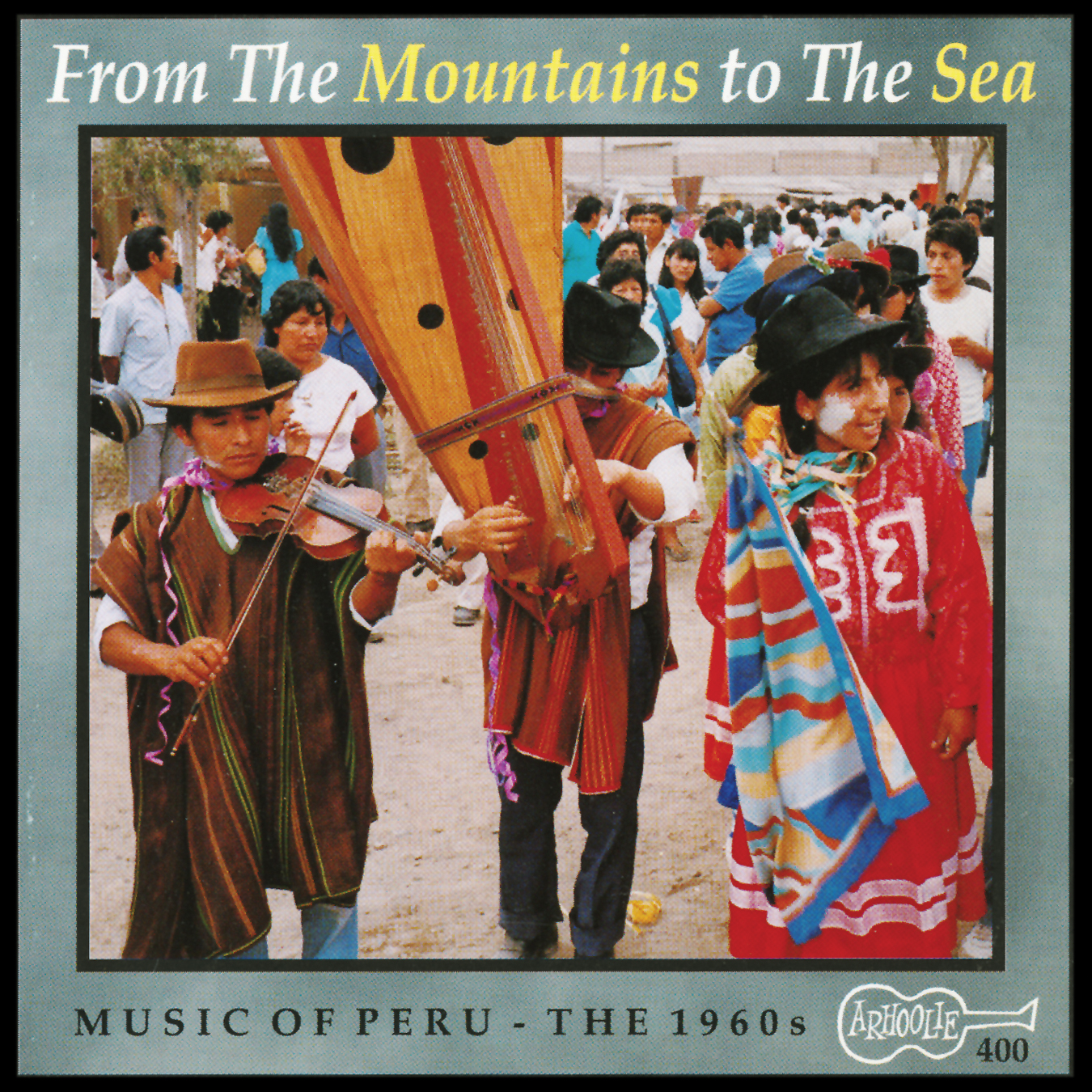 Music of Peru - The 1960s: "From the Mountains to the Sea"
 “Las Desaparecidas” (from Forward Music Project 1.0)
by
“Las Desaparecidas” (from Forward Music Project 1.0)
by
 Antonio Carlos Jobim’s Finest Hour
by
Antonio Carlos Jobim’s Finest Hour
by
 Black Orpheus: Original Soundtrack from the Marcel Camus Film
by
Black Orpheus: Original Soundtrack from the Marcel Camus Film
by
 El Tango
by
El Tango
by
:format(jpeg):mode_rgb():quality(90)/discogs-images/R-3536048-1334332712.jpeg.jpg) Sérgio & Odair Assad Play Piazzolla
by
Sérgio & Odair Assad Play Piazzolla
by
 Carmen Miranda
by
Carmen Miranda
by
 Recital Poetico
by
Recital Poetico
by
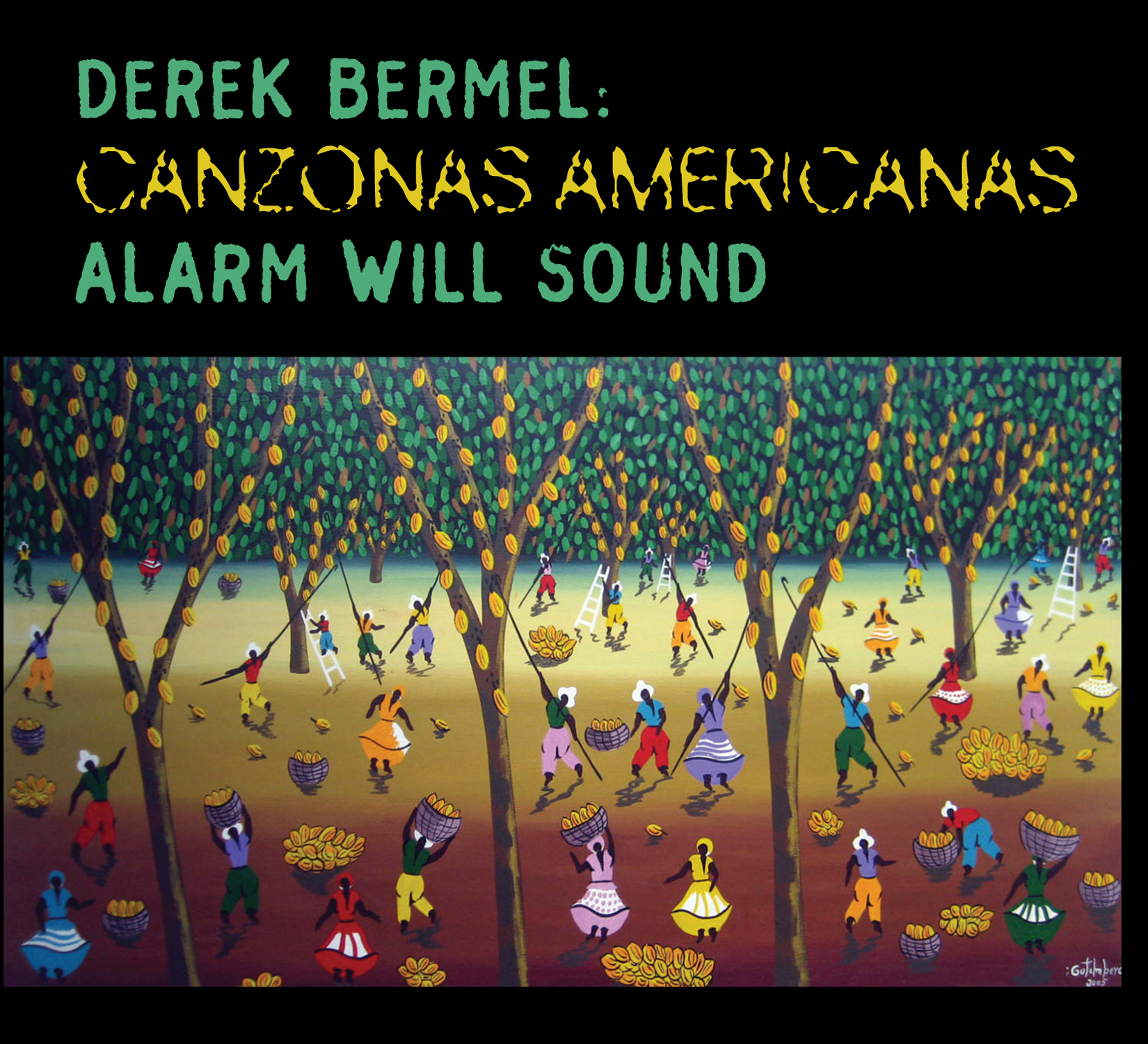 Canzonas Americanas
by
Canzonas Americanas
by
 El Encuentro
by
El Encuentro
by
 Imágenes: Music for Piano
by
Imágenes: Music for Piano
by
 Musica Contemporánea para Guitarra
by
Musica Contemporánea para Guitarra
by
 Hilos
by
Hilos
by
 Gil e Jorge
by
Gil e Jorge
by
 El Cuchi Bien Temperado
by
El Cuchi Bien Temperado
by
 The Motorcycle Diaries: Original Motion Picture Soundtrack
by
The Motorcycle Diaries: Original Motion Picture Soundtrack
by
 Bachianas Brasileiras Nos. 1, 5 and 7
by
Bachianas Brasileiras Nos. 1, 5 and 7
by
 Ecuador: El Grito de Libertad! (The Cry of Freedom!)
by
Ecuador: El Grito de Libertad! (The Cry of Freedom!)
by
 Los de Azuero: Traditional Music from Panama
by
Los de Azuero: Traditional Music from Panama
by
 Un Fuego de Sangre Pura
by
Un Fuego de Sangre Pura
by
 Latin Latitudes
by
Latin Latitudes
by
:format(jpeg):mode_rgb():quality(90)/discogs-images/R-5126475-1385222556-5087.jpeg.jpg) Goldenwings/Magic Time
by
Goldenwings/Magic Time
by
 El árbol de la vida: Music from Mexico
by
El árbol de la vida: Music from Mexico
by
 Salsa Timba
by
Salsa Timba
by
 Oceana
by
Oceana
by
 Cuba, Cuba!: The Most Popular Songs
by
Cuba, Cuba!: The Most Popular Songs
by
 El Sistema 40: A Celebration
by
El Sistema 40: A Celebration
by
:format(jpeg):mode_rgb():quality(40)/discogs-images/R-1695530-1544994485-8926.jpeg.jpg) Getz/Gilberto
by
Getz/Gilberto
by
 Herb Alpert Presents Sergio Mendes & Brasil '66
by
Herb Alpert Presents Sergio Mendes & Brasil '66
by
 Before Night Falls: Original Motion Picture Soundtrack
by
Before Night Falls: Original Motion Picture Soundtrack
by
 En Otra Parte
by
En Otra Parte
by